November 7, 2026 • 7 min read
Random Letter Scavenger Hunt Ideas for Kids at Home
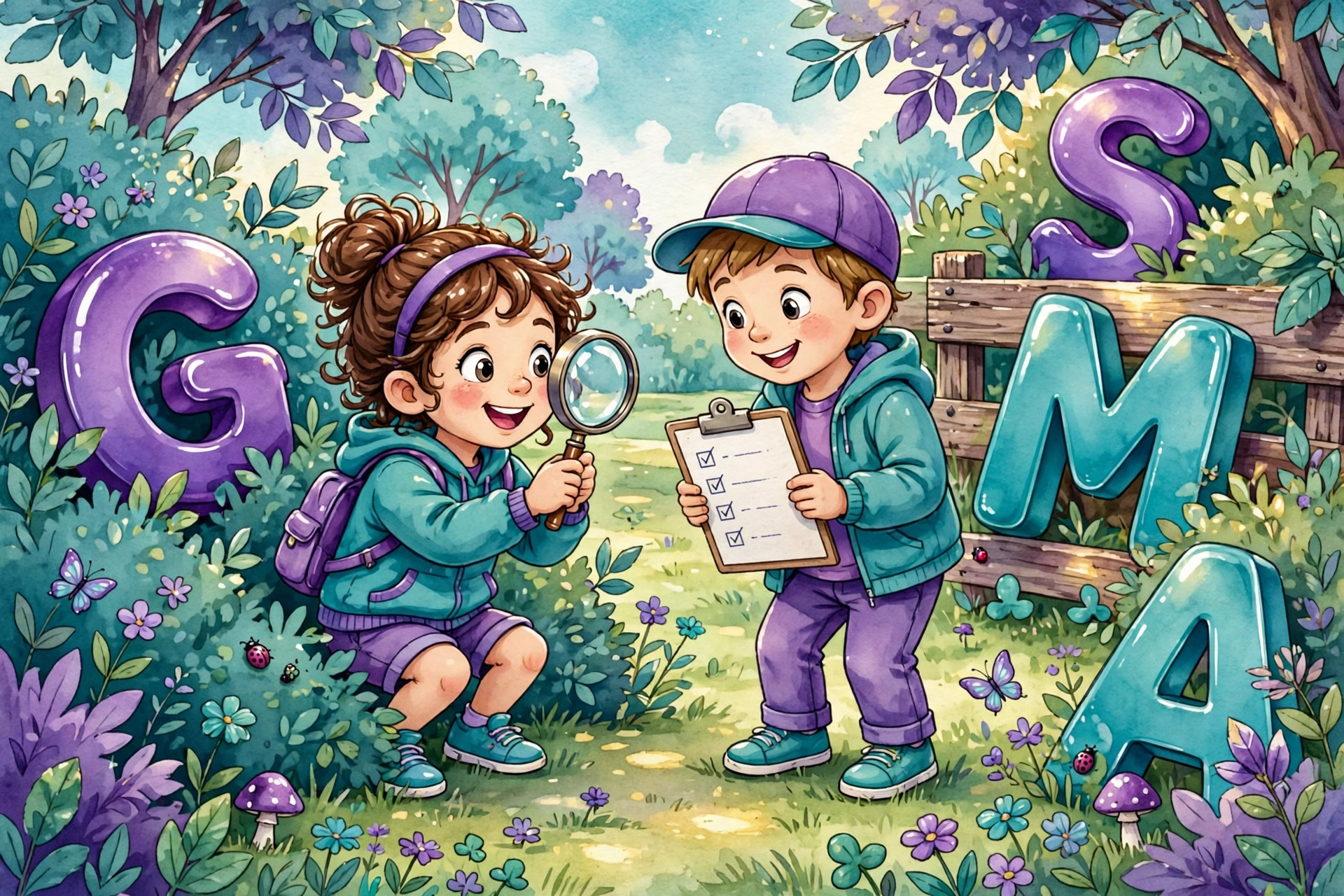
One random letter, a timer, and a house full of hiding places: that is all a scavenger hunt needs. Here is how to run one kids will ask to play again tomorrow.
Quick answer: How does a random letter scavenger hunt work?
Generate a letter with our random letter generator, set a timer, and send the kids off to find things that start with it. One point per find, bonus points for the cleverest one, and a show-and-tell at the end where every find gets its moment.
How a Random Letter Scavenger Hunt Works
The rules fit on an index card. Generate a random letter, set a timer, and hunt for things that start with that letter. A spoon counts for S. A sock counts for S. A sunset through the window counts for S if you are feeling generous, and that generosity is half the game. Kids bring their finds back, or just point and shout, and the group decides whether each one counts.
The random letter is what makes it work. If you let kids pick the letter, they pick A or B and the hunt is over in two minutes. A random letter levels the field: nobody can prepare, and a hard letter is just as likely as an easy one. That is also why it is secretly educational. Kids are practicing initial sounds, sorting, and quick thinking, but all they notice is the race. Teachers use the same trick in class, and our classroom letter games show how far one random letter can go.
Keep the setup simple. You need a letter picker, a timer, and a boundary: which rooms count, what is off limits, and whether things can be moved. A basket or a bag per child keeps finds from getting mixed up. For younger kids, skip the writing and let them call out finds. For older kids, give them a list to fill in. The whole game takes ten minutes to explain and about thirty to play, which is the right size for an afternoon that needs rescuing.
The Classic Hunt: One Letter, Ten Finds
Start with the classic version. One letter, ten minutes, as many finds as you can. Generate the letter together so everyone sees it is fair, then start the timer. Kids scatter, and the house turns into a puzzle. A letter like B is a gift: book, banana, blanket, button, ball, box, broom, bowl, backpack, belt. A letter like K is harder, which makes it better: kettle, key, kite, kitchen towel, knee-high sock. The finds themselves become the story of the game.
Score it loosely. One point per find is enough, and you can add a bonus point for the cleverest find, voted on by the group. The vote matters more than the points: it is the moment kids defend their choices, which is where the language practice hides. Is a keyboard a find for K, or is it cheating because it has a hundred keys? Let them argue it out. The debate is the game.
Hunt Variations for Different Ages
Four-year-olds play a different game than ten-year-olds, and the letter hunt bends to fit both. For the youngest, use one letter and let them hunt by sound, not spelling. Say the letter out loud, make its sound together, and send them off to find things that start with it. They can point instead of carrying, and a grown-up can be their scribe. The win is hearing the sound in the world, not filling a list.
Kids from 6 to 8 love lists and timers. Give them a sheet with the letter at the top and five blank lines, and let them write or draw each find. Add a rule that no two finds can come from the same room, which forces them to roam. Kids 9 and up want stakes: two teams, a shorter timer, and letters drawn in rounds. Our team generator can split them fairly in one tap, and the picker wheel can decide who hunts first. For teenagers, add a twist: every find has to be photographed, and the funniest photo wins.
Mixed ages play best as a team game. Pair a younger child with an older one, and let the older child read the list while the younger one does the spotting. Siblings who usually argue will suddenly cooperate, because the letter does not care who is older. If you have a big age gap, give the older kids a harder letter and the younger ones an easier one, and run both hunts at the same time.
Indoor, Backyard, and Rainy-Day Versions
Indoors is the easiest version, and a kitchen alone can carry a whole game. Kettle, knife block, keys, kiwi, ketchup: five finds without leaving one room. Set the boundary before you start, and name the off-limits spots: medicine cabinets, other people's bedrooms, anything breakable. The hunt should end with laughter, not a cleanup.
Outside, the hunt gets bigger and louder. A backyard letter hunt works best with nature letters: L for leaf, log, and ladybug; S for stone, stick, and sunflower. Give kids a bag for their finds and a rule about living things: look, do not pick, unless it is already on the ground. A park version works the same way, with a meeting point and a time limit. If the weather turns, the rainy-day version moves to the windows: hunt for things you can see from inside, like rain, rooftops, and red cars, and let the window be the boundary.
Rainy days also suit the photo hunt. Each find gets a photo instead of being carried back, which keeps the house intact and gives you a gallery to laugh at later. The random word generator can add a second challenge: hunt for the letter, then use a random word in the caption for the photo. It is a small twist, and kids love it.
Keeping Score and Wrapping Up
End every hunt with a show-and-tell. Each child lays out their finds and explains the clever ones, and the group votes for the best find of the day. That closing circle is where the game pays off: kids practice speaking, listening, and losing gracefully, all without noticing. Keep the prizes small, a sticker, first pick of snack, choosing the next letter, because the hunt itself is the reward.
One more thing: write the best finds down. A notebook of hunt results becomes a family record, and kids love flipping back through it. After a few games, patterns appear: the letters that always stump everyone, the finds that keep winning. Those patterns are the start of the next game. Generate a letter, set the timer, and go again.